

Amid escalating tensions between Saudi Arabia and Yemen’s Houthi group, Pakistan has said it is “ready to fulfill its obligations” under the Makkah Defence Agreement signed with Saudi Arabia and Turkey. The remarks came from Pakistan’s defence minister after a Saudi-led coalition claimed it had intercepted and destroyed a Houthi drone that was headed towards the holy city of Mecca.
The Makkah, or Mecca, agreement was signed by Pakistan, Saudi Arabia and Turkey on August 7. The pact includes a collective-defence provision under which an attack on any one of the three countries is to be treated as an attack on all, drawing parallels with Article 5 of the North Atlantic Treaty Organisation (NATO).
Under NATO’s Article 5, an armed attack against one member is considered an attack against all allies. The Makkah agreement similarly provides for mutual defence if the territorial integrity or geographical boundaries of any of the three signatories are violated.
However, despite the worsening conflict between Saudi Arabia and the Houthis, the newly signed agreement has not been formally activated.
Pakistan ‘ready to fulfil obligations’, says Khawaja Asif
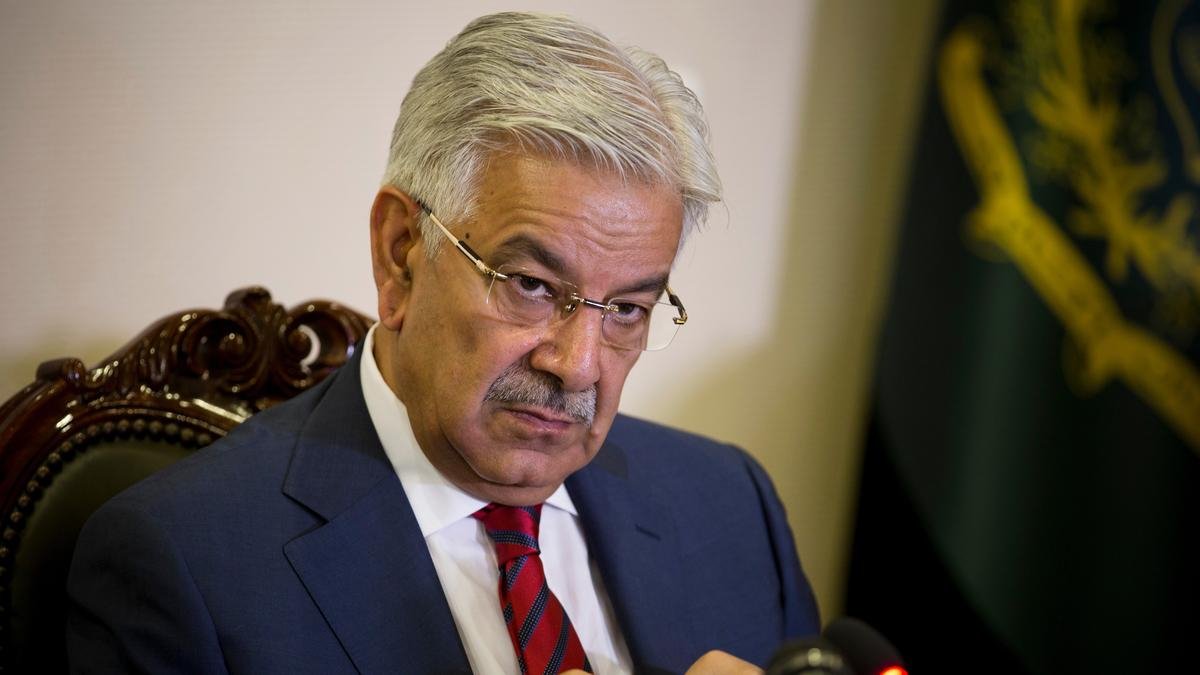
Pakistan Defence Minister Khawaja Asif said Islamabad was prepared to honour its commitments under the agreement. Speaking to Geo News on Wednesday, Asif said, “The Makkah Agreement applies to us, and we will fulfil our duty.”
His remarks came after a Saudi-led coalition claimed it had intercepted and destroyed a Houthi drone that was headed towards the holy city of Mecca. The Houthis denied the allegation, accusing Saudi Arabia of spreading “worn-out lies” and saying the group would not target a site of religious significance to Muslims.
Pakistan was among the countries that condemned the reported drone incident. Prime Minister Shehbaz Sharif called for a return to dialogue and diplomacy to de-escalate the conflict and reiterated Islamabad’s support for Saudi Arabia’s defence, saying Pakistan stood “shoulder to shoulder” with Riyadh.
Commenting on the reported threat to Mecca, Asif said that if the holy city were attacked, “there is no need for an agreement to protect it”, suggesting that safeguarding the holy sites was a responsibility independent of the pact.
Pakistan raises Houthi attacks with Iran
Pakistan has also raised the issue of attacks on Saudi Arabia with Iran. Last week, Pakistan Army chief Field Marshal Asim Munir discussed the escalating attacks with Iranian Foreign Minister Abbas Araghchi.
Iran has maintained that it has no role in the Yemen conflict. The Houthis are, however, often described as part of Tehran’s broader “axis of resistance” in West Asia, alongside groups such as Hamas in Gaza and Hezbollah in Lebanon.
Iranian Foreign Ministry spokesperson Esmaeil Baqaei rejected claims of Iranian involvement, saying Tehran “does not interfere in Yemeni affairs” and that the Houthis are “entirely independent actors” who make decisions based on their own interests.
Saudi calls ‘Mecca attack’ red-line, Houthis deny
Saudi Arabia has accused Yemen’s Iran-backed Houthi rebels of attempting to target Islam’s holiest city, Mecca, drawing condemnation from across the region but no immediate indication of military support.
The kingdom, a key US ally, declared Mecca a “red line” as it became increasingly embroiled in the latest regional conflict involving Iran.
With Saudi Arabia, the world’s largest oil exporter, facing attacks from the Houthis, who are backed by Riyadh’s regional rival Iran, the kingdom is seeking to secure both a safe route for its oil exports and additional military support. So far, there has been no clear indication of either.
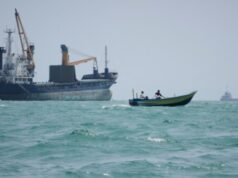
A key Saudi oil pipeline has reportedly been shut down for weeks following an attack by Iranian-backed militias in Iraq. The Houthis have also targeted infrastructure inside Saudi Arabia and shipping in the Red Sea, where they have reportedly seized several islands near the Bab el-Mandeb Strait. Meanwhile, Iran continues to target vessels in the Strait of Hormuz.
Oil prices have remained above USD 100 a barrel amid the escalating tensions.
The Houthis denied launching drones towards Mecca, which lies around 1,100 kilometres (680 miles) from Yemen’s border. Saudi authorities said they intercepted and destroyed the drone before it entered the airspace over the city, the birthplace of Prophet Muhammad.
Also Read:
Pakistan condemns ‘dastardly and heinous’ attempted drone attack on Mecca, but doesn’t name Houthis