

China’s factory activity improved in August but remained in contraction, highlighting weak domestic demand and pressure on Beijing to support growth
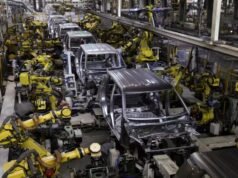
China’s manufacturing activity remained in contraction for a second consecutive month in August, despite a modest improvement in output and new orders, underscoring the continued pressure on the world’s second-largest economy.
The official manufacturing Purchasing Managers’ Index (PMI) rose to 49.8 in August, from 49.2 in July, according to data released by China’s National Bureau of Statistics on Monday. A PMI reading below 50 indicates contraction, while a reading above 50 signals expansion.
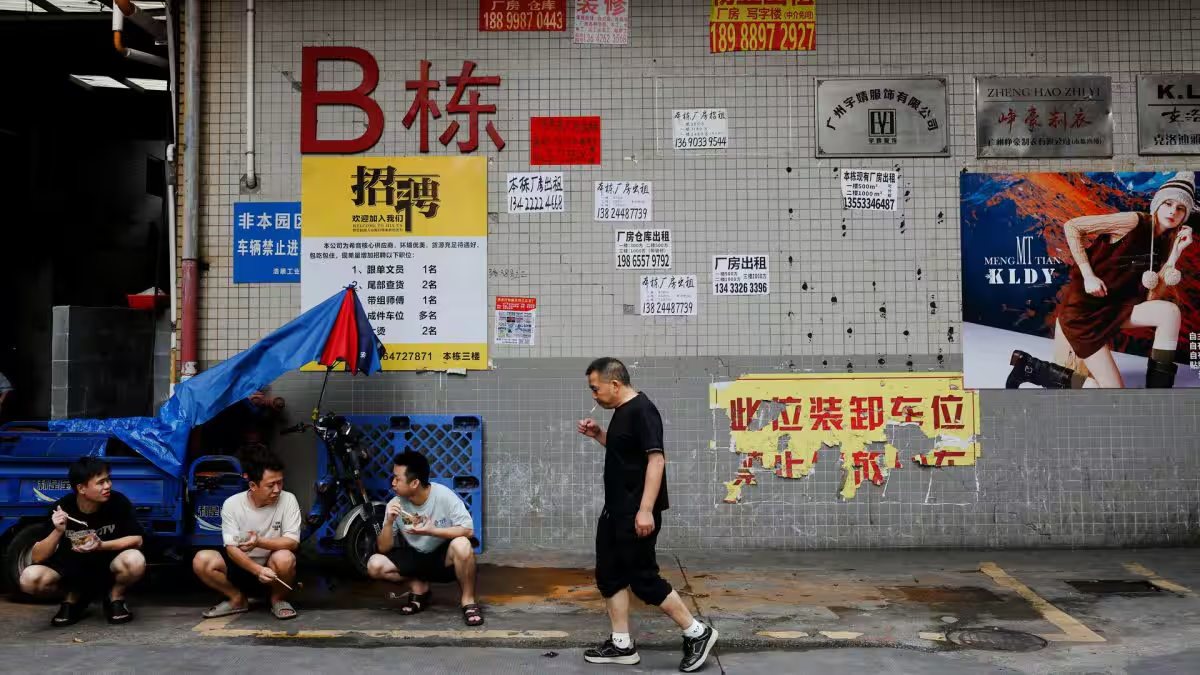
The August reading points to some improvement in factory activity but also shows that China’s manufacturing sector has yet to return to sustained growth. Weak domestic demand, subdued investment and a prolonged property downturn continue to weigh on economic activity.
China’s economy expanded 4.3 per cent in the second quarter, its weakest growth rate since late 2022. More recent data have pointed to further weakness, with retail sales and industrial output slowing in July and fixed-asset investment continuing to decline.
Output, new orders improve
The August PMI showed signs of improvement on the supply and demand sides.
The sub-index tracking factory production rose back above the 50-mark to 50.4, while the new orders index climbed to 50.6. New export orders also returned to expansion, rising to 50.1 from 49.6 in July.
 More from Business
The improvement suggests stronger demand for some manufactured goods, particularly in high-tech sectors.
Equipment manufacturing and high-tech manufacturing remained stronger than the broader industrial sector, while consumer goods and energy-intensive industries continued to contract.
However, employment and raw-material inventories remained below the 50 threshold, pointing to lingering weakness among manufacturers.
Exports have remained one of the few relatively bright spots for China’s economy this year. Strong global demand for technology products, including goods linked to the artificial intelligence investment boom, has helped support shipments even as domestic consumption remains subdued.
But the export-led improvement has not fully offset weakness at home.
More support expected
The latest PMI data are likely to reinforce expectations that Beijing will step up fiscal support in the coming months.
China’s top leaders pledged in late July to accelerate spending on already-approved infrastructure projects after the economy slowed sharply in the second quarter. The government has also expanded interest subsidies for small private businesses and consumers in an effort to boost borrowing and demand.
Services remain weak
The weakness was not confined to manufacturing.
China’s official non-manufacturing PMI, which covers services and construction, remained unchanged at 49.0 in August, its weakest level since December 2022.
The construction PMI slipped to 46.9, while activity in several domestically focused services, including wholesale, retail and capital markets, also remained in contraction.
The divergence between manufacturing and services highlights a key challenge for Beijing: China continues to rely heavily on manufacturing and exports even as household demand and domestic investment remain weak.
A separate private-sector survey of manufacturing activity, which covers a larger share of smaller and export-oriented companies, is due on Tuesday. Economists surveyed by Reuters expect the RatingDog manufacturing PMI to rise to 51 in August.
(With inputs from agencies.)