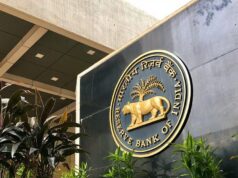
On Friday, December 5, the Reserve Bank of India’s Monetary Policy Committee (MPC) concluded its three-day discussions with a clear change in position, causing the nation’s financial corridors to come alive. The benchmark repo rate was lowered by the MPC by 25 basis points, from 5.50% to 5.25%. This was the fourth such drop in the previous five meetings, highlighting the apex bank’s ongoing efforts to improve financial conditions.
Although technical on paper, a reduction in repo rates has a swift impact on the economy. It influences everything, including how quickly businesses register sales and the monthly EMIs that consumers pay. The RBI effectively encourages people to either save or spend by changing the cost of borrowing for banks, so regulating the amount of liquidity moving through the system.
EMIs increase when borrowing expenses grow. For example, an 8% house loan instantly increases to 8.25% following a similar increase in the insurance rate. Families often limit their budgets, postponing purchases and choosing safer options like fixed deposits, which often provide higher returns during periods of high interest rates. This reduces demand, lowers profitability, and lowers share prices for businesses; short sellers and intraday traders frequently take advantage of this trend.
The opposite chain reaction was triggered by today’s rate drop. Lower EMIs lighten household budgets, increasing the appeal of expensive purchases like automobiles and residences. Retail savers frequently reallocate funds to stocks in pursuit of higher returns when deposit rates decline. The Nifty increased 0.59% to close at 26,186, while the Sensex increased 0.52% to conclude at 85,712, demonstrating this change in sentiment throughout Dalal Street.
Equally instructive was the sectoral ripple effect. Technology equities, which are usually less dependent on domestic demand, stayed relatively stable, while interest-rate-sensitive shares like banking, auto, real estate, and FMCG saw the biggest swings. Rate increases have historically helped bank shares by increasing deposit inflows, but they also hurt real estate and auto sales. As household budgets decline, FMCG scripts also begin to soften. These patterns reverse in a rate-cut environment, with consumer equities posting healthy gains, auto and real estate names rising, and banks frequently declining.
Fundamentally, the reasoning stays straightforward. Higher rates have the opposite effect of lower rates, which make loans more affordable, encourage spending, increase business earnings, and raise markets. However, analysts warn that the market doesn’t always react right away. Investors occasionally take many sessions to analyze policy changes before shifting their positions.
The day’s events serve as a reminder to retail participants that deeper market dynamics can be obscured by policy-driven rallies and corrections. Smaller players are susceptible if they trade solely based on news because large institutional investors frequently take advantage of these fluctuations. Experts advise taking a closer look at the company’s fundamentals before making a call, even after an MPC announcement.