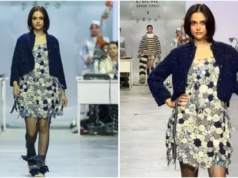
Bold maximalism, self-expression, sustainability, and cultural influences are all being combined by Gen Z to redefine fashion and create a movement that is as lively as it is significant.
Fashion has always reflected the culture of its era, but Gen Z is changing culture rather than merely reflecting it. Today’s young consumers are determining the trends, in contrast to previous decades when designers and runway performances set the pace. To produce looks that challenge expectations, they are boldly fusing streetwear with couture, vintage with modern, and fluidity with tradition. Because of their daring, colorful, and intensely personal attitude to fashion, maximalism is more than simply a fad; it’s a movement.
According to Prathamesh C, Founder of VRNDHA, “Gen Z is redefining fashion with bold, vibrant, and unconventional styles as a generation driven by self-expression.” “They’re not merely following trends; they’re creating them by fusing streetwear, nostalgia, and cultural influences to produce something wholly original.”
Fashion as Self-Expression and Identity
For Gen Z, their sense of style reflects their values. Fashion has evolved into a platform for protest, creativity, and identity expression in addition to being purely beautiful. By valuing uniqueness above conformity, this generation is redefining standards. This change has been greatly aided by social media, which has given them the ability to instantly impact international trends and promote their own fashion choices.
Prathamesh continues, “Their demand for sustainability and authenticity is what really sets them apart.” “They are urging the industry to prioritize individuality over mass production, ethical fashion, and mindful consumption.”
Because Gen Z refuses to be passive consumers, this change has compelled marketers to reconsider their approaches. Rather, they push brands to be more accountable, open, and consistent with their principles.
Sustainability: A Non-Negotiable Standard
Gen Z’s dedication to sustainability is one of the key traits that distinguish their approach to fashion. Making environmentally friendly decisions is expected of them rather than an afterthought. Thrift stores, upcycled clothing, and ethical firms that put an emphasis on sustainability and craftsmanship appeal to them.
“They actively push brands to be more accountable and open,” says ZYOD co-founder Ankit Jaipuria. Because of this, sustainability is now more than just a catchphrase in the business; it’s a conscious choice that permeates everything they do, from the brands they support to the materials they use.”
Fashion houses are being compelled by the need for ethical practices to use eco-friendly materials, slow fashion, and circular economy models. In contrast to earlier generations, when quick fashion dominated wardrobes, Gen Z is putting more emphasis on durability, quality, and environmental awareness.
The Future of Fashion: Maximalism with Meaning
Intention is more important than excess in this new wave of maximalism. Bold patterns, big silhouettes, eclectic layering, and vivid color palettes are all things that Gen Z enjoys, but they do them with meaning and purpose. Whether it’s body positivity, environmentalism, or gender fluidity, their fashion choices are a reflection of their identities, cultural influences, and core beliefs.
Ankit highlights that this is a movement rather than merely a passing fad. “Those who embrace both style and substance, pushing boundaries to create not just clothes but a bold, vibrant culture that reflects the values of a generation rewriting the rules, will be the ones who shape fashion in the future.”
Brands that cater to Gen Z’s thirst for creativity, self-expression, and moral behavior will prosper as they continue to transform the market. Making a statement is more important than simply looking beautiful these days, and Gen Z is making sure that statement is louder, bolder, and more powerful than ever.