

On Thursday, February 12, 2026, the Trump administration stated that a scientific determination that greenhouse gas emissions pose a health risk to humans has been repealed, eliminating the legal foundation for federal climate laws.
Additionally, all vehicles and engines from model years 2012 to 2027 were exempt from subsequent federal greenhouse gas emission limits.
Following a series of regulatory changes and other actions meant to restrict the growth of fossil fuels and impede the adoption of sustainable energy, the action marks the administration’s most comprehensive rollback of climate change policies to yet.
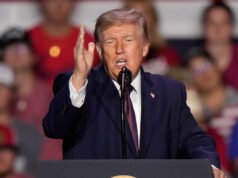
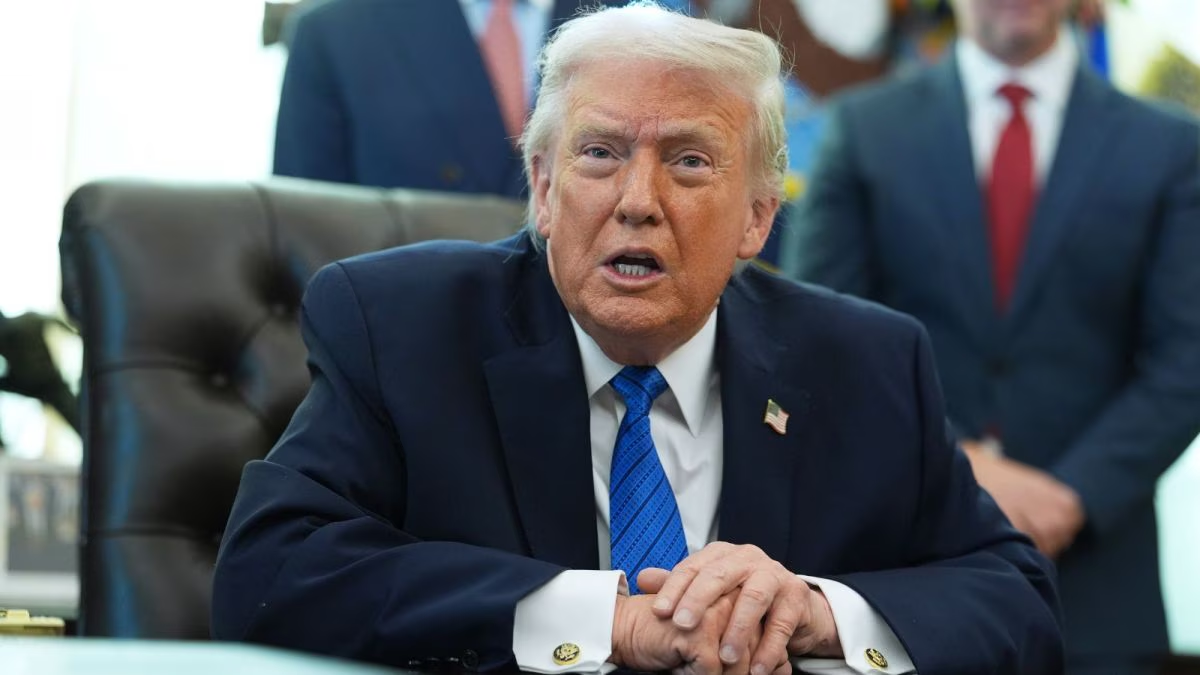
Alongside EPA Administrator Lee Zeldin and White House Budget director Russ Vought, who has long sought to revoke the finding, Mr. Trump announced the repeal, saying, “Under the process just completed by the EPA, we are officially terminating the so-called endangerment finding, a disastrous Obama-era policy that severely damaged the American auto industry and drove up prices for American consumers.”
In addition to destroying Biden-era tax credits meant to speed up the rollout of electric vehicles and renewable energy, Mr. Trump has declared that he thinks climate change is a “hoax” and has pulled the US out of the Paris Agreement, excluding the biggest historical contributor to global warming from international efforts to combat it.
The EPA took action under the Clean Air Act of 1963 to reduce emissions of carbon dioxide, methane, and four other heat-trapping air pollutants from automobiles, power plants, and other industries after the United States first accepted the so-called endangerment finding in 2009.
Although it might not immediately apply to stationary sources like power plants, its repeal would eliminate the regulatory obligations to measure, report, certify, and adhere to federal greenhouse gas emission guidelines for automobiles.
Approximately 25% of the greenhouse gas emissions in the United States are attributed to the transportation and electricity sectors, according to EPA data.
The endangerment finding and all federal GHG emission requirements for vehicles will be repealed, according to the EPA, saving US taxpayers 1.3 trillion dollars.
Because of the potential legal and regulatory ambiguity, several industry groups have been hesitant to publicly support rescinding the endangerment finding, even while they support the repeal of strict automobile emission regulations. According to legal experts, the policy reversal might, for instance, result in an increase in “public nuisance” lawsuits, a legal avenue that had been closed after the Supreme Court ruled in 2011 that the Environmental Protection Agency, not the courts, should regulate greenhouse gas emissions.
“This could be another classic instance where the Trump administration’s overreach backfires,” said Robert Percival, a professor of environmental law at the University of Maryland.
The proposed repeal has been denounced by environmental organizations as a climate threat. Restoring the endangerment finding would probably be necessary for any future U.S. administrations looking to control greenhouse gas emissions, which might be a difficult political and legal undertaking.
Despite the EPA’s claim that climate policies have increased consumer costs, the Environmental Defense Fund stated that the repeal will ultimately result in higher expenses for Americans.
EDF President Fred Krupp stated, “Administrator Lee Zeldin has ordered EPA to stop protecting the American people from the pollution that’s causing worse storms, floods, and skyrocketing insurance costs.” “More pollution will result from this action, which will increase costs and cause actual harm to American families.”